
San Diego ADU Guide 2026: Complete Costs, Rules & Process | Murray Lampert
The most complete San Diego ADU guide for 2026. Learn costs, City vs. County rules, permit timelines, types of ADUs, financing options, and what to watch out for. From Murray Lampert, San Diego's trusted design-build firm since 1975.

San Diego’s housing market makes ADUs one of the smartest investments a homeowner can make right now. Whether you’re looking to house an aging parent, generate rental income, or add long-term value to your property, an accessory dwelling unit — ADU — can accomplish all three. But San Diego’s rules, costs, and timelines are more nuanced than most guides let on.
We’ve been building homes and additions in San Diego since 1975. This guide covers what the City and County actually require in 2026, realistic all-in costs, the ADU types that make sense for different properties, and the mistakes that turn a good idea into an expensive problem.
Table of Contents
- What Is an ADU?
- City of San Diego vs. Unincorporated County
- Types of ADUs — Which Is Right for You?
- What Does an ADU Cost in San Diego?
- What Homeowners Usually Miss
- Can I Rent My ADU?
- ADU Financing Options
- The Permit Process, Step by Step
- Feasibility Checklist
- Risks and Realistic Expectations
- The Murray Lampert Approach
- San Diego ADU Resources
What Is an ADU?
An accessory dwelling unit (ADU) is a secondary residential unit on a single-family or multifamily lot. California law (AB 68, SB 9, SB 897, and AB 2221) has dramatically expanded ADU rights statewide — but the specific rules that apply to your property depend on whether you’re in the City of San Diego, unincorporated San Diego County, or one of the 17 other incorporated cities in the region.
Three categories recognized by California law:
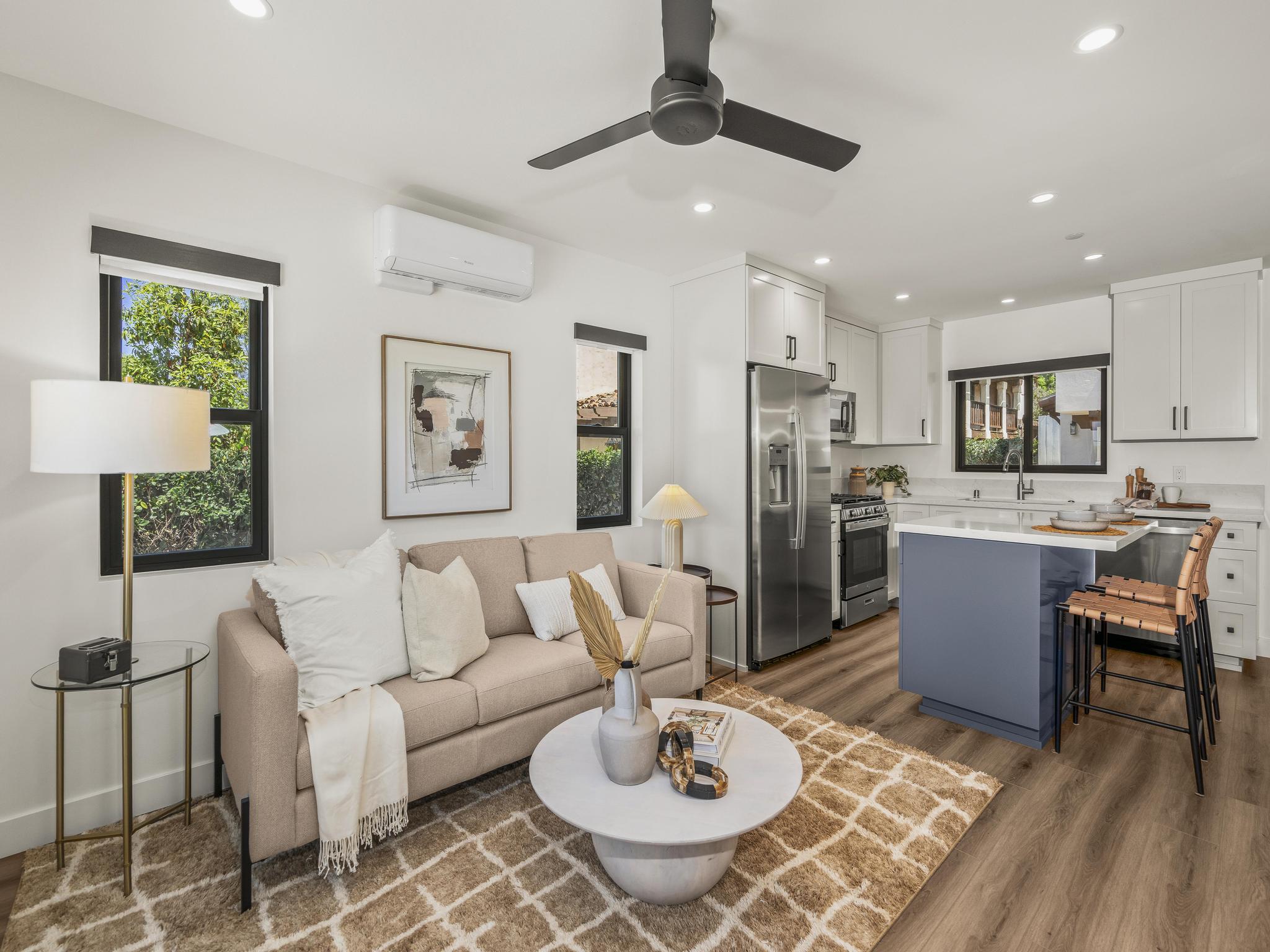
- ADU — A fully self-contained unit with its own kitchen, bathroom, and entrance. Can be detached, attached, or a garage conversion.
- Junior ADU (JADU) — Up to 500 sq ft, created within the walls of the existing primary structure. Requires an efficiency kitchen and interior access to the main home. Owner must occupy either the primary dwelling or the JADU.
- SB 9 Unit — A second primary unit permitted under Senate Bill 9 on a single-family lot. Less common; best evaluated case by case with a licensed contractor.
City of San Diego vs. Unincorporated County
Your address determines which jurisdiction reviews your ADU permit. This matters: the City and County have different size limits, setback rules, and processing timelines.
| Rule | City of San Diego | San Diego County (Unincorporated) |
|---|---|---|
| Max detached ADU size | 1,200 sq ft (state max) | 1,200 sq ft (state max) |
| JADU max size | 500 sq ft | 500 sq ft |
| Rear/side setbacks | 4 ft (state minimum) | 4 ft (state minimum) |
| Height limit (detached) | 16 ft standard; 18 ft within ½ mile of transit | 16 ft standard |
| Owner-occupancy required? | No (state law preemption) | Varies by community plan |
| ADUs per lot | Up to 2 ADUs + 1 JADU on SFR lots | Up to 2 ADUs + 1 JADU on SFR lots |
| Permit timeline | 30-day ministerial (complete apps) | 60-day ministerial (per state law) |
| Pre-approved plan sets | Yes — San Diego Standard Plans available | County standard plans available |
| Impact fees | Waived for ADUs under 750 sq ft | Waived for ADUs under 750 sq ft |
| Permit authority | Development Services Dept | Planning & Development Services |
Key distinction: If your address says “San Diego” but you’re in an unincorporated community like Lakeside, Ramona, Alpine, or parts of Santee, you are under County jurisdiction. When in doubt, use the County’s parcel lookup tool or call us — we’ll sort it out quickly.
Types of ADUs — Which Is Right for You?
Not every ADU type is right for every property. Here’s how to think through the options:
| ADU Type | Typical Cost Range | Best For | Key Limitation |
|---|---|---|---|
| Detached ADU | $450K–$650K+ | Maximum privacy, rental income, long-term value | Requires available yard space; full foundation |
| Attached ADU | $350–$550K | When yard space is limited; shares a wall with main home | May require structural changes to primary structure |
| Garage Conversion | $300K–$450K | Fastest path; existing structure reduces cost | Loses parking; slab may need work |
| Junior ADU (JADU) | $300K–$400K | Budget-conscious; lower permit complexity | 500 sq ft max; must be within existing walls; owner-occupancy required |
| Above-Garage ADU | $450K–$650K | Maximizes use of existing footprint | Structural engineering required; HOA rules may apply |
| Second Story ADU | $475K–$750K+ | Lots with no usable ground-level space | Most complex; full structural review |
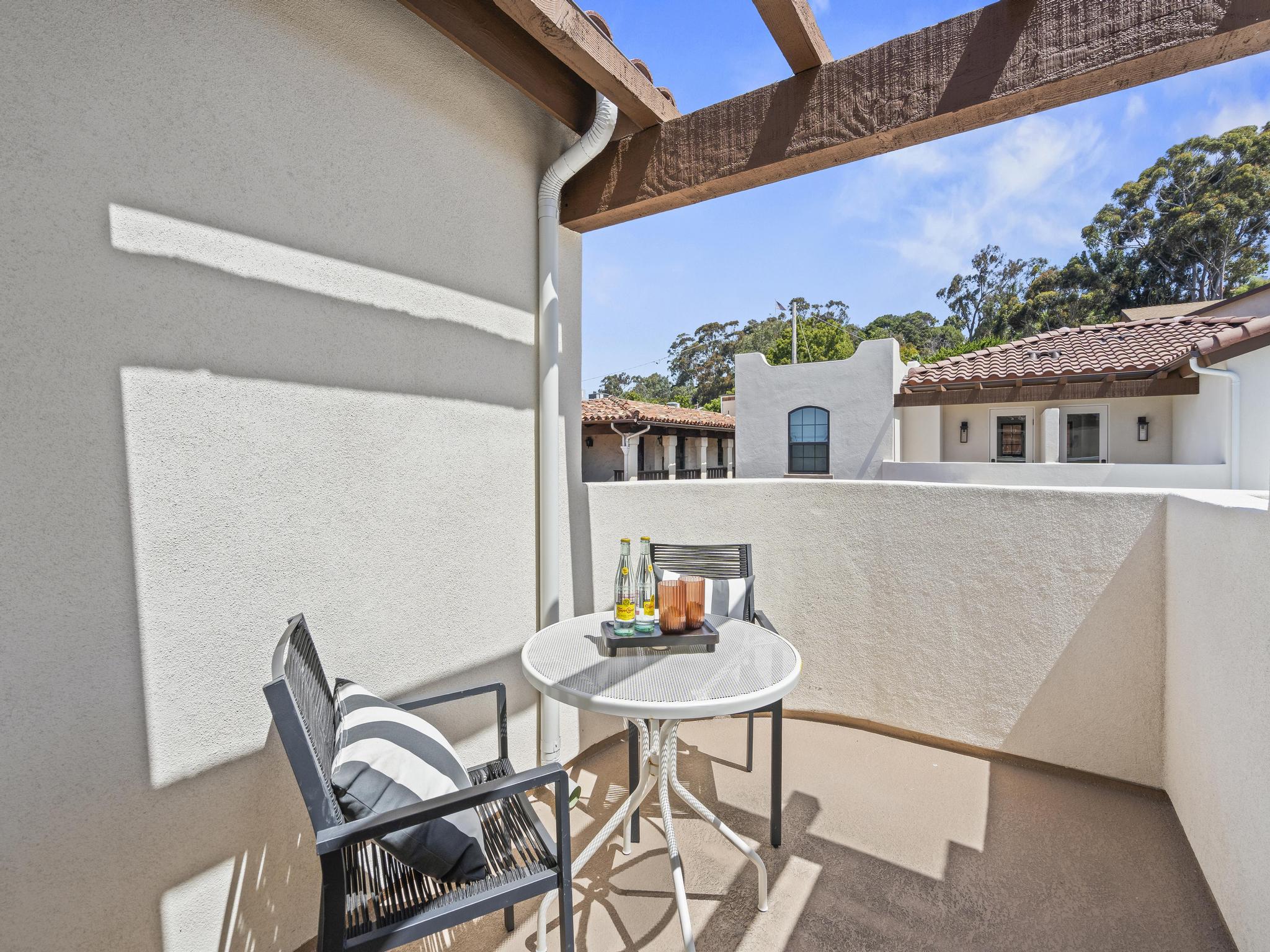
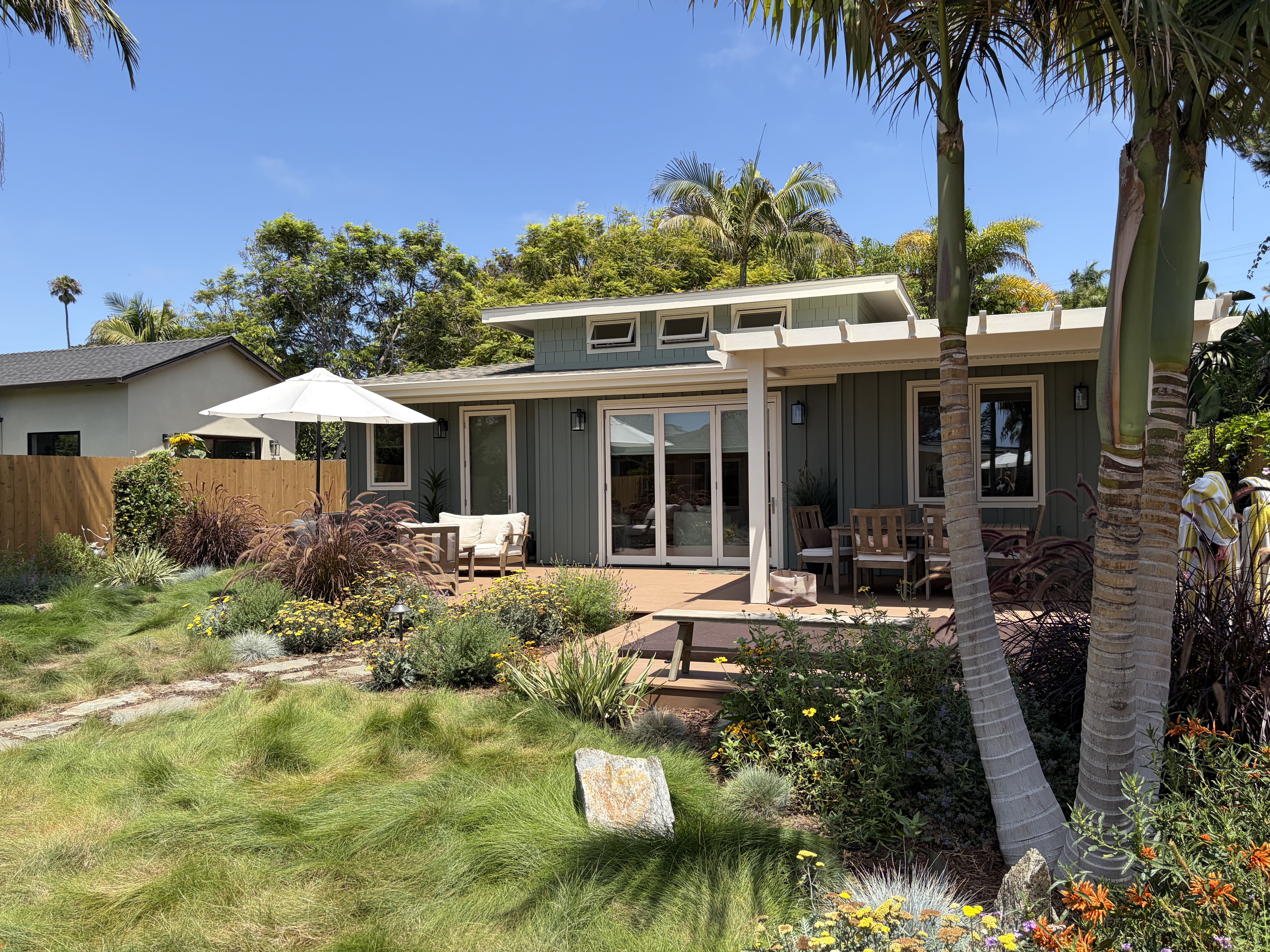
Which type adds the most value? A well-designed detached ADU in a strong San Diego neighborhood typically adds $300,000–$500,000+ to appraised value and generates $2,000–$3,500/month in market-rate rent. Garage conversions add less value but cost less to build.
What Does an ADU Cost in San Diego?
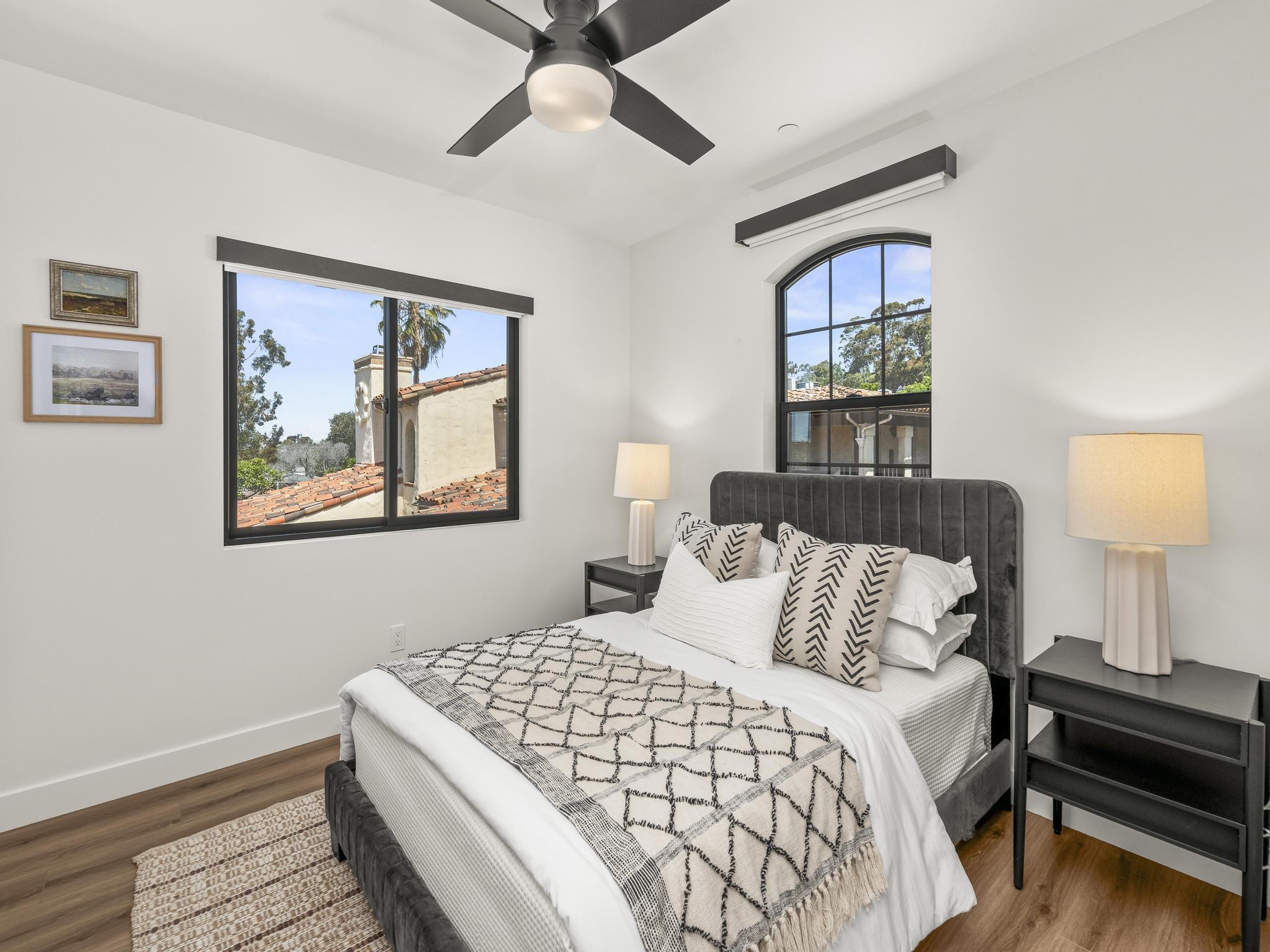
Expect all-in ADU costs to run higher than what most online calculators suggest. Here’s a realistic breakdown for a typical 600–800 sq ft detached ADU in San Diego:
| Cost Category | Notes |
|---|---|
| Architectural & Interior design | In-house at Murray Lampert |
| Structural engineering | Required for most detached and second-story ADUs |
| Title 24 energy compliance | Required for all new construction |
| Permit fees | Impact fees waived if under 750 sq ft |
| Site prep & grading | Highly site-specific |
| Foundation | Slab, raised, or crawl space |
| Framing, roofing, exterior | |
| Plumbing | New water/sewer lateral adds cost |
| Electrical | New panel or sub-panel typically needed |
| HVAC / mechanical | Mini-split systems common |
| Solar PV system | Required by Title 24 for all new ADUs |
| Insulation & drywall | |
| Finish work, fixtures, cabinetry | Wide range based on specification level |
| Landscaping restoration | Often overlooked |
| Contingency (10%) | Field conditions such as utilities |
What Homeowners Usually Miss
The gap between a “quoted price” and a “finished project cost” is where most ADU problems originate. Here’s what often gets omitted from early estimates:
Solar PV panels. California’s Title 24 building code requires solar photovoltaic systems on all new ADUs as new residential construction. This is not optional and adds $10,000–$20,000 to the project. Some contractors quote without it — make sure your estimate includes it.
Separate utility meters. If you want to separately meter your ADU for electricity, gas, or water, expect $5,000–$15,000+ in additional costs for trenching, equipment, and utility company fees. Many homeowners skip this for simplicity, but it affects how you structure rental income.
Sewer lateral work. Older San Diego neighborhoods often have aging lateral lines. A camera inspection upfront can reveal whether you need a new lateral ($8,000–$25,000) before construction starts. Finding this mid-project is expensive.
Soils report. Properties on hillsides, in erosion-prone areas, or with expansive soils may require a geotechnical investigation ($3,000–$8,000) before the City will issue permits.
HOA restrictions. Some HOAs still attempt to restrict ADU construction. While California Civil Code §4751 limits HOA authority to impose outright bans, HOAs may still regulate design standards (colors, materials, rooflines). Get your CC&Rs reviewed before designing.
School impact fees. ADUs under 500 sq ft are exempt. ADUs 500–749 sq ft owe reduced school fees (~$4.18/sq ft in 2026). ADUs 750 sq ft and over owe full school impact fees.
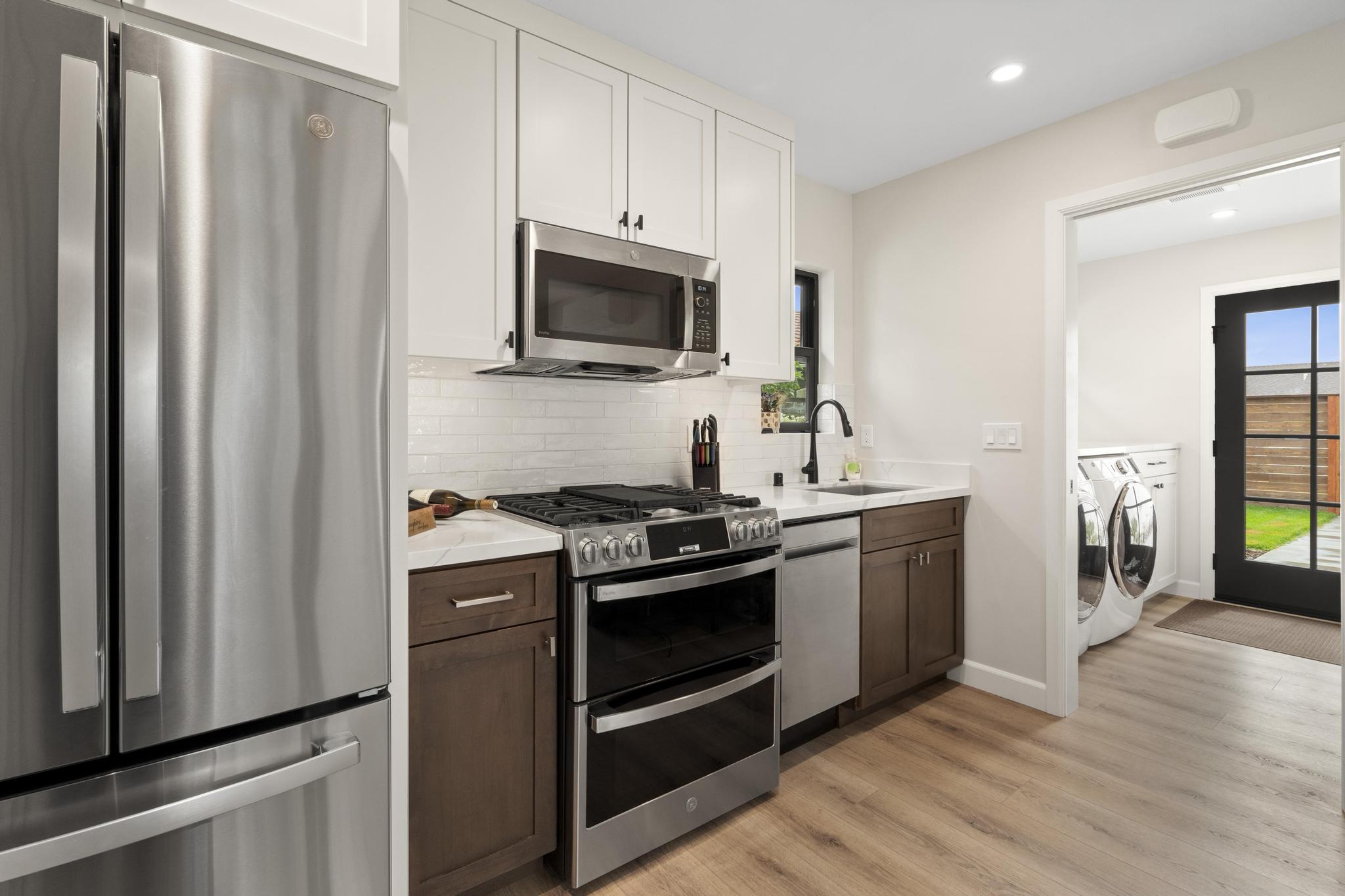
Appliances and window coverings. Most construction contracts end at “substantial completion.” Budget $5,000–$15,000 separately for appliances, blinds, and move-in-ready finishes.
Can I Rent My ADU?
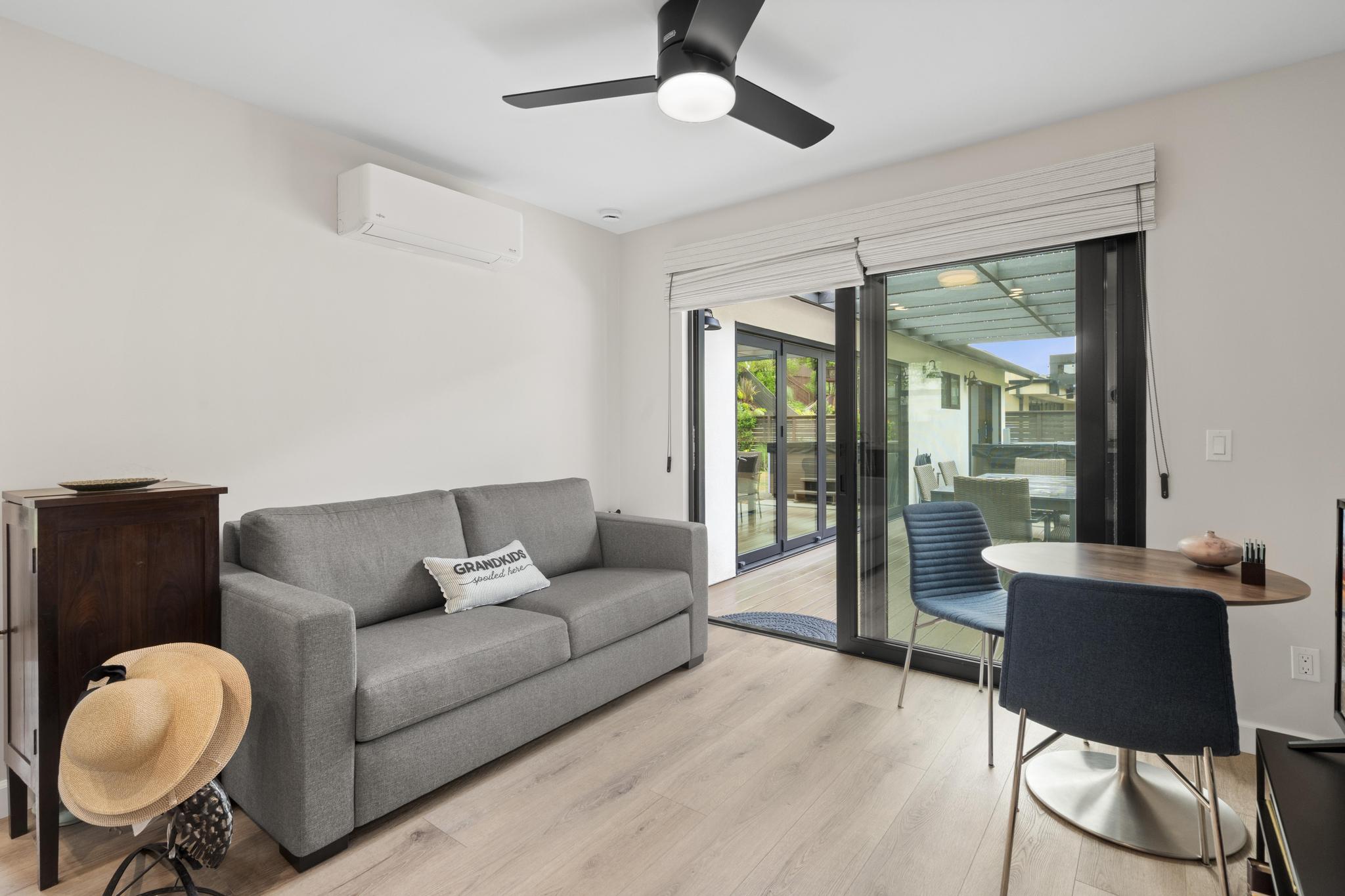
Long-term rental (30+ days): Yes, without restriction. The City of San Diego eliminated owner-occupancy requirements under state law. You do not need to live on the property to rent your ADU long-term.
Short-term rental (under 30 days): San Diego’s Short-Term Residential Occupancy (STRO) ordinance caps STR permits citywide. As of 2026:
- Whole-home STR licenses are limited and subject to a lottery system
- ADU-specific STR permits are subject to the same cap and lottery
- Operating an unlicensed STR carries fines up to $1,000/day
- For unincorporated County areas, check with San Diego County and your local community plan
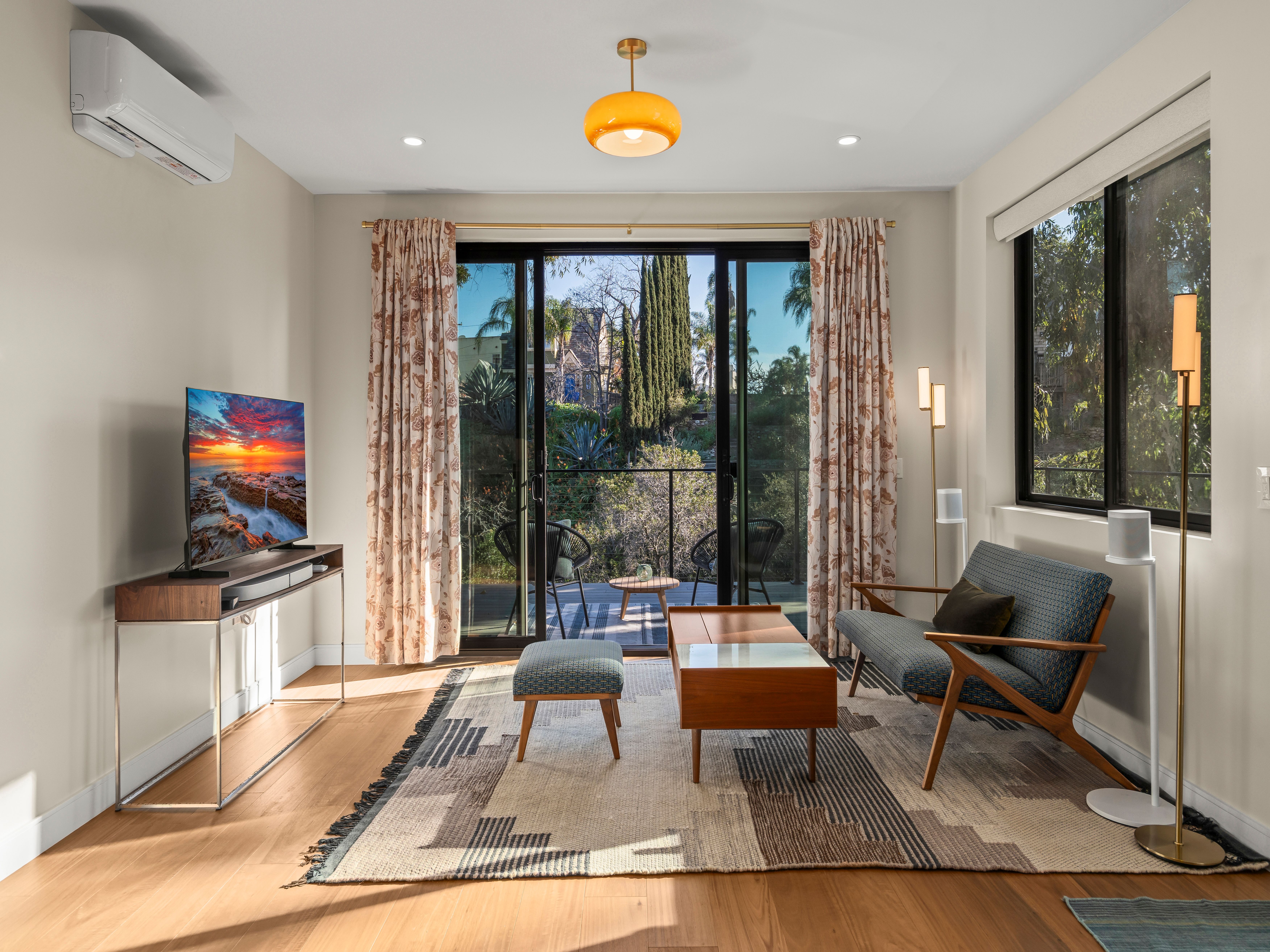
Practical note: Most ADU owners rent long-term. It’s simpler, produces stable income, and avoids the permit and management complexity of short-term rentals. At current San Diego market rates, a 1-bed/1-bath ADU in a desirable neighborhood rents for $2,200–$3,200/month.
ADU Financing Options
| Option | Best For | Pros | Cons |
|---|---|---|---|
| Cash-out refinance | Equity-rich homeowners | Lower rates; single mortgage | Resets loan term; rate risk |
| HELOC | Phased projects | Draw as needed; interest only during draw | Variable rate; second lien |
| Construction loan | Large projects | Purpose-built; disbursed in draws | Higher rates; two closings |
| ADU-specific lenders (RenoFi, Mosaic) | Limited-equity homeowners | Lends on after-renovation value | Higher rates than traditional |
| Home equity loan | Fixed-budget projects | Fixed rate; predictable payment | Lump sum drawn upfront |
Murray Lampert works with trusted local lenders who specialize in renovation and ADU financing. We’re happy to make introductions.
The Permit Process, Step by Step
City of San Diego ADU Permit Timeline
Step 1 — Pre-Application (Weeks 1–4) Your design-build team evaluates your lot for ADU feasibility: zoning, setbacks, utilities, existing structure conditions, and HOA status. A site survey and preliminary site plan are developed.
Step 2 — Design & Construction Documents (Weeks 4–12) Architectural drawings, structural engineering, Title 24 energy compliance, and any required soils or drainage studies are completed. Murray Lampert’s in-house architectural designers handle this phase under one contract.
Step 3 — Permit Application Submittal The complete package is submitted to the City of San Diego Development Services Department. For ADUs that meet pre-approved standard plan criteria, the City targets 30-day ministerial review. Complex or custom designs may take 60–90 days.
Step 4 — Permit Issuance & Pre-Construction Once permits are issued, your project is scheduled for construction. Trade contractors are confirmed, materials ordered, and a detailed construction schedule is provided.
Step 5 — Construction (4–8 months) Murray Lampert manages all subcontractors — framing, plumbing, electrical, HVAC, insulation, drywall, finish carpentry, tile, and painting — under a single contract. City inspections occur at each milestone.
Step 6 — Final Inspection & Certificate of Occupancy The City performs a final inspection. Upon approval, a Certificate of Occupancy is issued — your ADU is officially a legal dwelling unit.
Typical total timeline: 12–18 months from first consultation to move-in.
Feasibility Checklist
Before committing to an ADU project, work through these questions. If any answer is uncertain, your design-build partner should help you resolve it before you sign a contract.
Zoning & Site
- What zoning designation applies to my lot? (R-1, R-2, R-3, etc.)
- Is my property in the City of San Diego or unincorporated County?
- Is the lot 4,000 sq ft or larger? (Most ADU types require this minimum)
- Is there usable yard space with 4-ft clearance to side and rear fences?
- Are there any easements or deed restrictions on the property?
- Is the lot on a hillside or in a fire hazard zone?
Utilities
- Where does the sewer lateral connect? How old is it?
- Is there adequate electrical capacity for a second unit? (Main panel size)
- Is natural gas available, or will the ADU be all-electric?
- Is there a water meter with sufficient capacity?
HOA & Legal
- Is there an HOA? Have I reviewed the CC&Rs for ADU language?
- Are there any title issues, liens, or recorded restrictions?
- Is the existing primary structure permitted and up to code?
Financial
- What is my realistic all-in budget including 10% contingency?
- Have I confirmed my financing source before design starts?
- What is my projected rental income and ROI timeline?
Risks and Realistic Expectations
ADUs are a strong investment for most San Diego homeowners — but they’re not without risk. Here’s what to go in knowing.
Construction always takes longer than you hope. Even with ministerial permit review, San Diego plan check queues fluctuate. Material lead times and subcontractor availability add variability. Build your timeline around 14–18 months and treat anything faster as a bonus.
Neighbor relations matter. Construction noise, staging areas, and dumpsters affect the people around you. Good communication before and during construction prevents most problems. On tight lots or shared driveways, this is especially important.
Unpermitted existing work creates problems. If your garage, deck, or any portion of your existing home was built without permits, the City may require you to bring that work into compliance before they’ll issue ADU permits. This can add time and cost that no one anticipates at the start.
Rental income projections should be conservative. Online estimators often reflect peak market rates. Budget for vacancy (5–10%), property management fees if applicable (8–12%), and maintenance reserves (1% of ADU value annually).
“Design-build” means different things to different contractors. Some use the term to mean they’ll refer you to an outside draftsperson. At Murray Lampert, design-build means our architectural designers and interior designers are on staff — part of your project team from day one, not a third-party handoff.
The Murray Lampert Approach
Murray Lampert has been building in San Diego since 1975. We’re a fourth-generation, family-owned firm with an A+ BBB rating maintained since 1976 and the 2026 NARI Remodeler of the Year — Regional award. ADUs are one of our specialties.
One contract, one team. Our architectural designers, interior designers, and project managers are in-house employees — not outside vendors. You deal with one company from initial design through the final walk-through.
Accurate up front cost. We work with you to select every fixture, finish, and specification before construction begins, then hold that price. Our price-certainty model means no surprises mid-project.
Permitted, inspected, and built to last. Every Murray Lampert ADU is fully permitted through the City or County of San Diego, inspected at each phase, and built by trade contractors we’ve trusted for years.
Schedule a Complimentary ADU Consultation →
San Diego ADU Resources
City of San Diego
- ADU Permits & Information — Development Services
- Standard ADU Plan Sets
- Online Permit Portal (Citizen Access)
- Zoning & Parcel Lookup
- Short-Term Rental (STRO) Licensing
San Diego County (Unincorporated Areas)
Other Resources
Utilities
| *Murray Lampert Design, Build, Remodel — CA License #458038 | A+ BBB Since 1976 | Serving San Diego Since 1975* |
This guide is updated periodically, but local ordinances change. Always verify current requirements with the applicable jurisdiction before making project decisions.